Street Photography… But With No People
Reading time: 3 mins
I was scrolling through Instagram on a street photography page the other day, and a comment under this gorgeous, moody shot of a rain-slicked neon alleyway really annoyed me. Someone had typed:
“Nice travel snap, but it’s not street photography if there isn't a person in it.”
I’ve seen that kind of street photography snobbery quite a lot sadly. There seems to be this unwritten rule that if your frame doesn't have people in it, you’re somehow cutting corners. People look down on it as the "easy" option - the lazy way out for photographers who are too scared to point their lens at a stranger.
But to me that mindset completely misses what makes the street so fascinating.
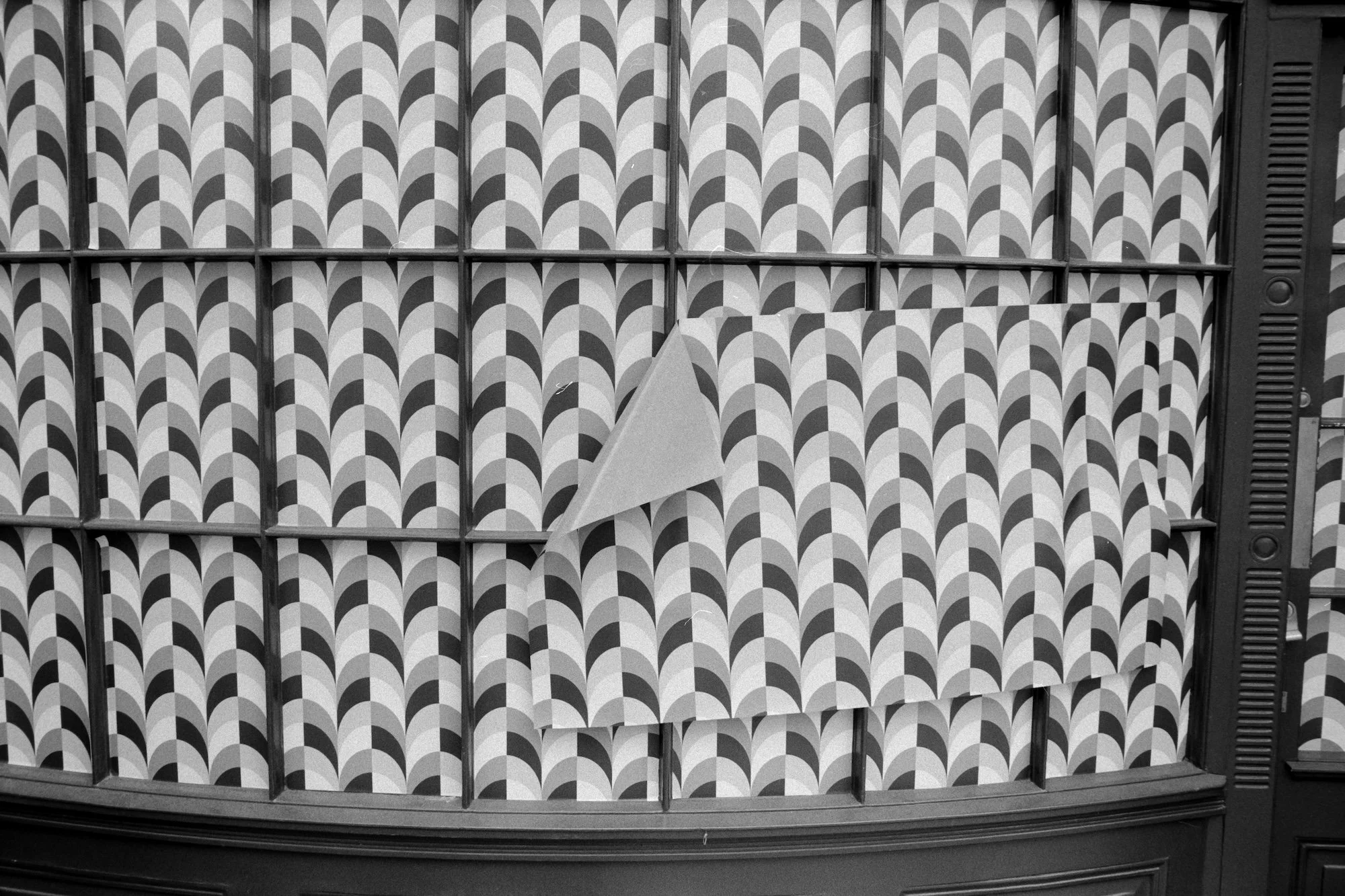
London
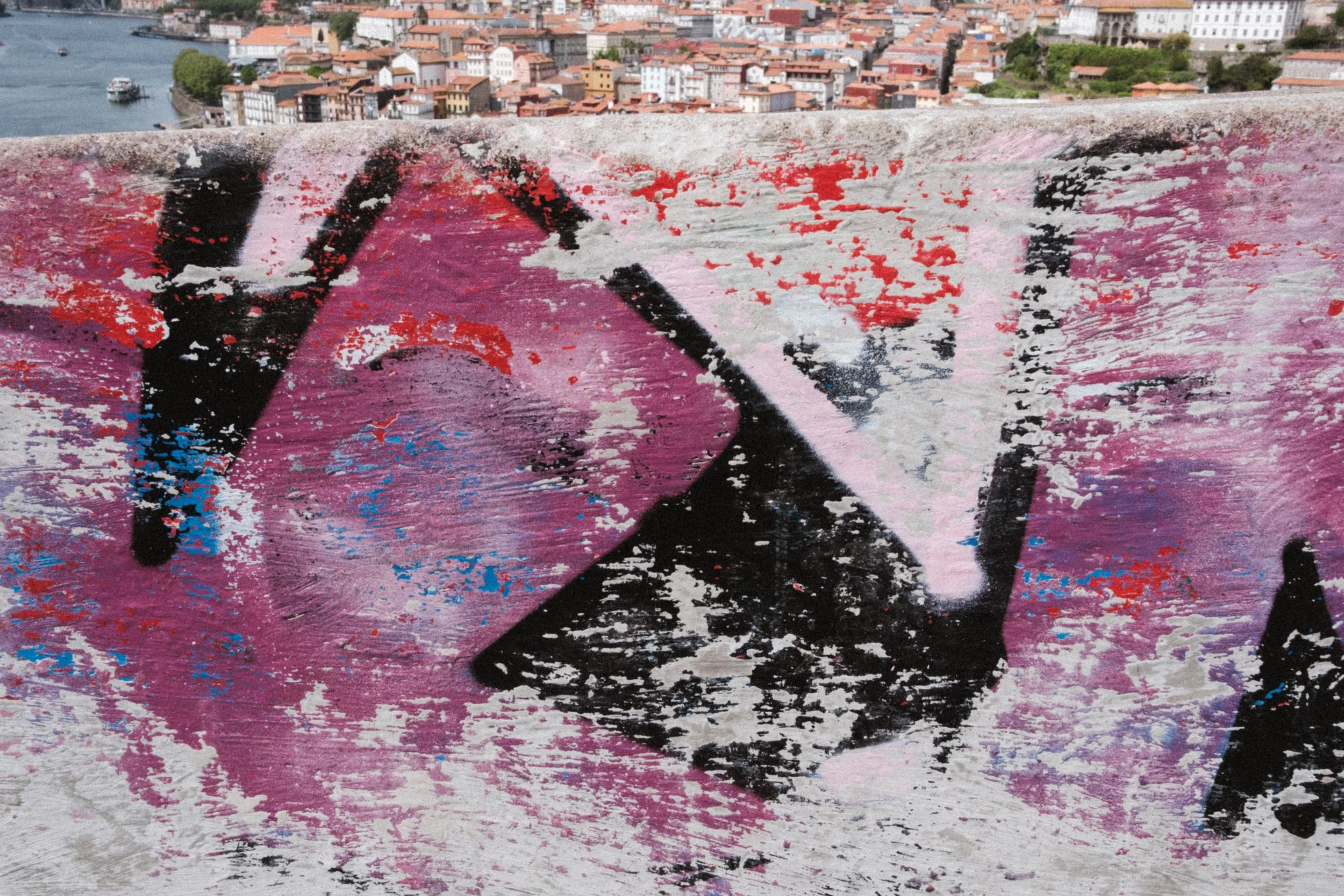
Porto
The "Boring" Misconception
When I first started out with street photography I’d spend hours hunting for the human element, walking right past incredible geometry, crazy shadows, and bizarre urban juxtapositions just because nobody was walking through them at that exact moment.
I thought no people meant no soul and it would make for boring photos.
But then I really started looking at the work of guys like William Eggleston, and also contemporary photographers who document quiet moments or the liminal spaces of the world. Their images didn't feel empty or boring at all.
That flipped my way of thinking. Leaving people out doesn't take the humanity out of a photo. It actually shines a light on the stage we all live our lives on.
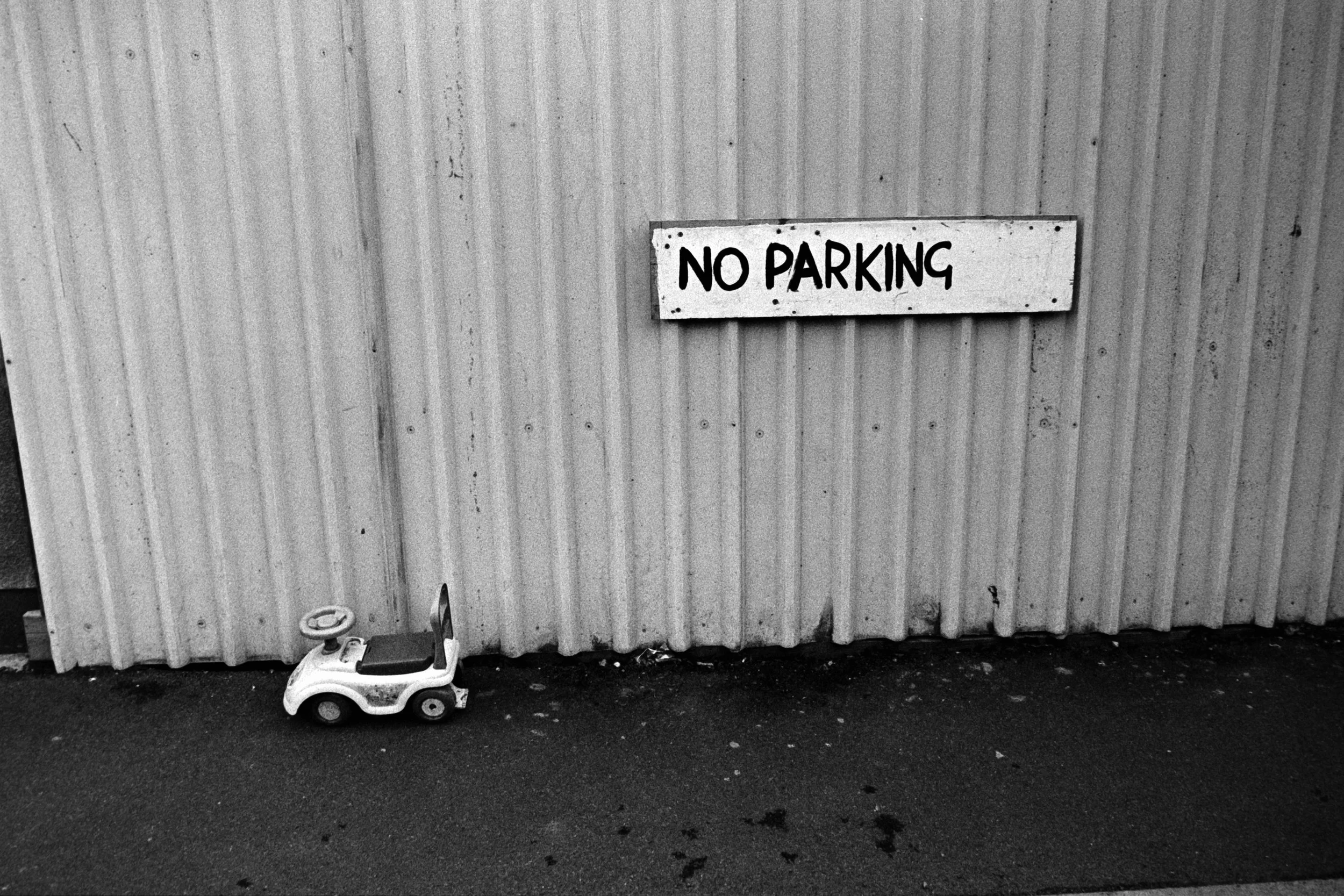
Cheltenham
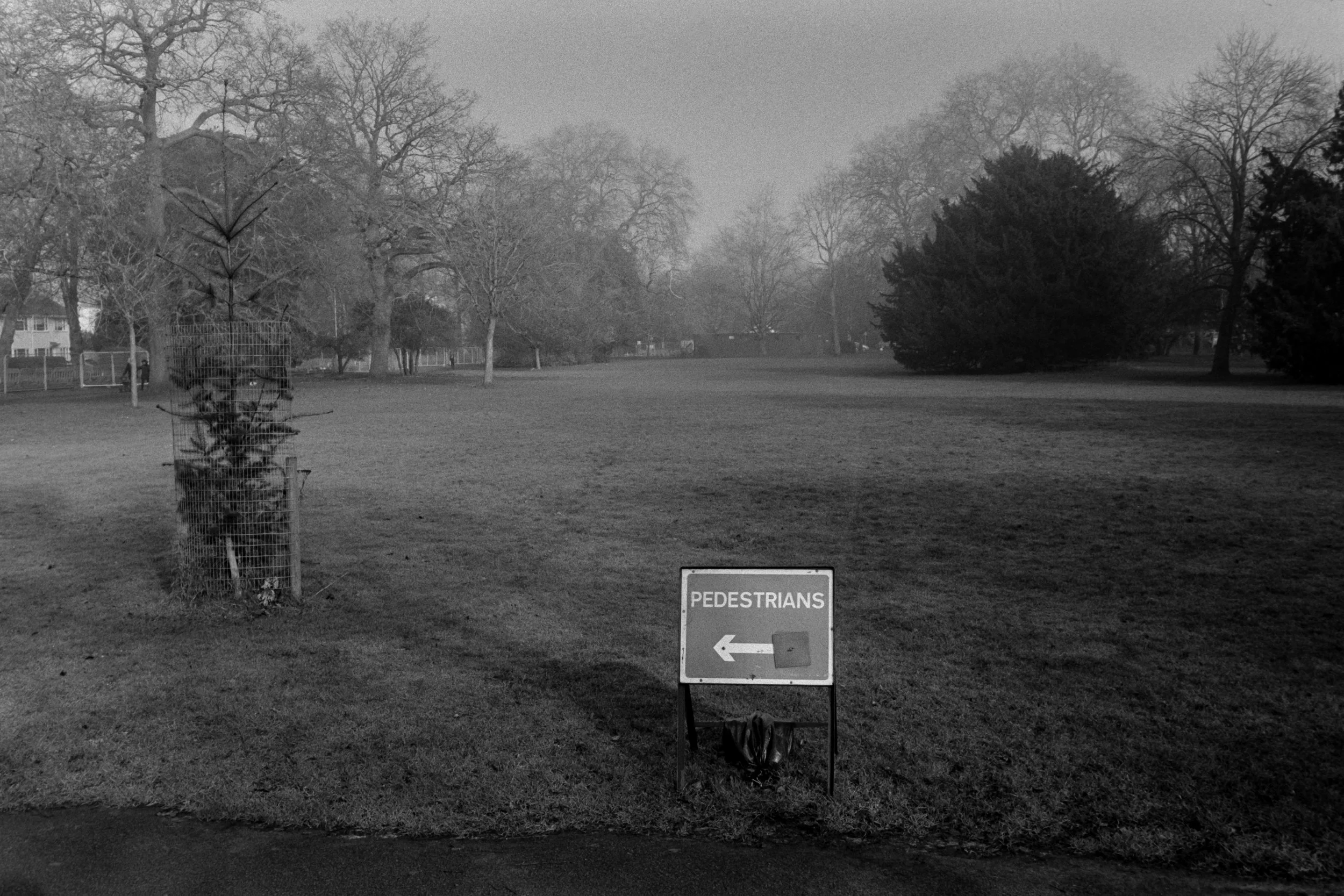
Cheltenham
The Presence of Absence
The difference between a boring snapshot of a building and a powerful street photo without people often comes down to one thing: the presence of absence.
When you remove a literal person from the frame, you force the viewer to look at the clues left behind. It’s like a cliffhanger. You aren't spoon-feeding them the story.
The stuff we leave behind like a discarded coffee cup on a pristine marble step. A single bicycle chained to a lamppost under a massive concrete bridge. Those kinds of things make for lovely little photos in and of themselves.
Without human faces demanding your eye's attention, the light, the texture, and the vibe of the city itself become the main characters.
Instead of telling a story about who’s there, you’re asking a question about why they left, or what’s about to happen next, or simply just conveying the mood and feeling of a place.
And it’s not easy. If anything, it’s harder. You can't rely on an interesting face or a weird outfit to save a sloppy composition. The structure of your image has to be completely solid.
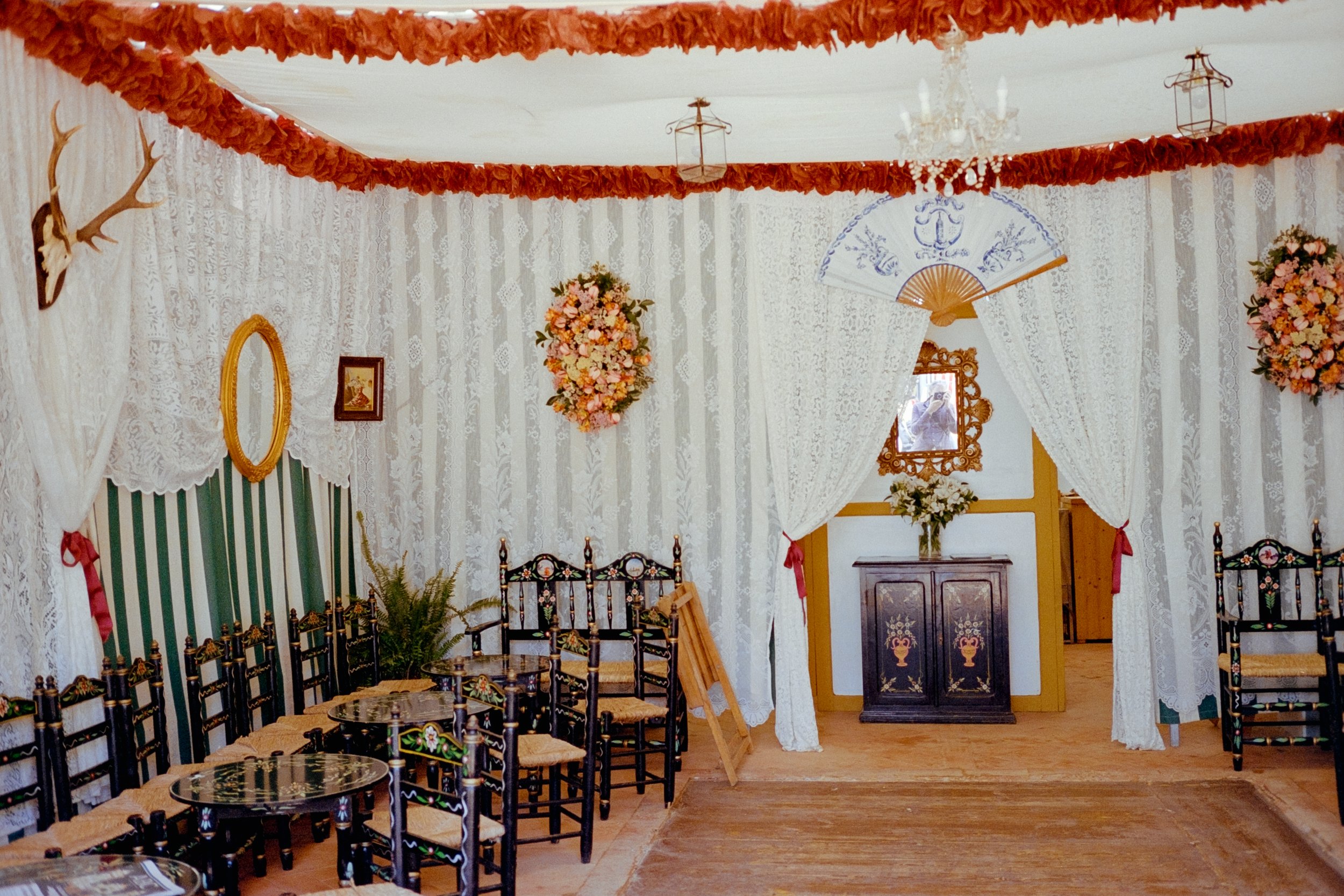
Seville
How to Photograph This Way
If you want to try this out, then you can start by changing how you scan your surroundings. Here’s a few things that helped me when I became interested in photographing this way:
1. Look for the echo
Instead of looking for people, look for what people did in or to the space. Look for signs of wear, weird public notices, misplaced objects, or the strange ways human buildings clash with nature.
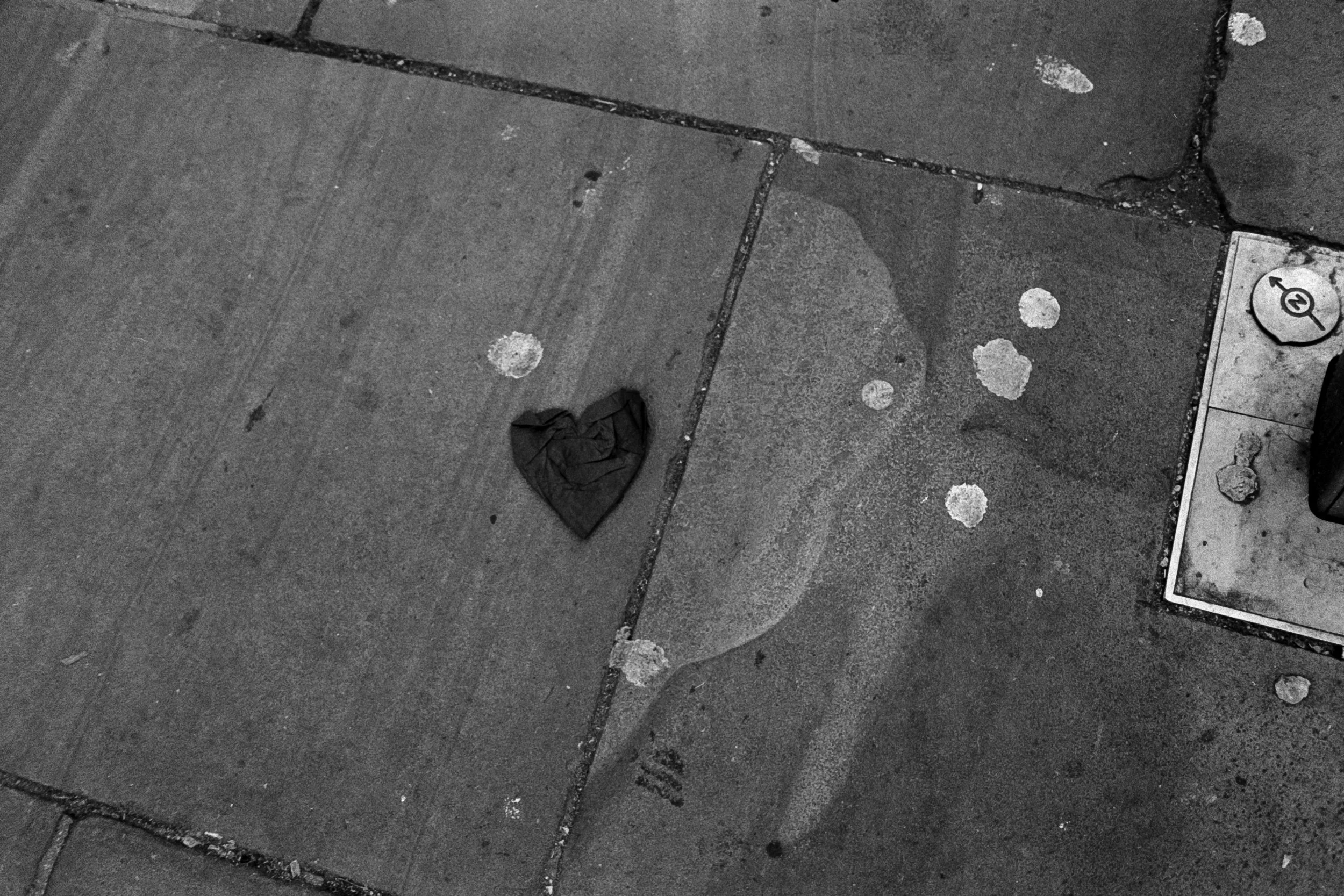
London
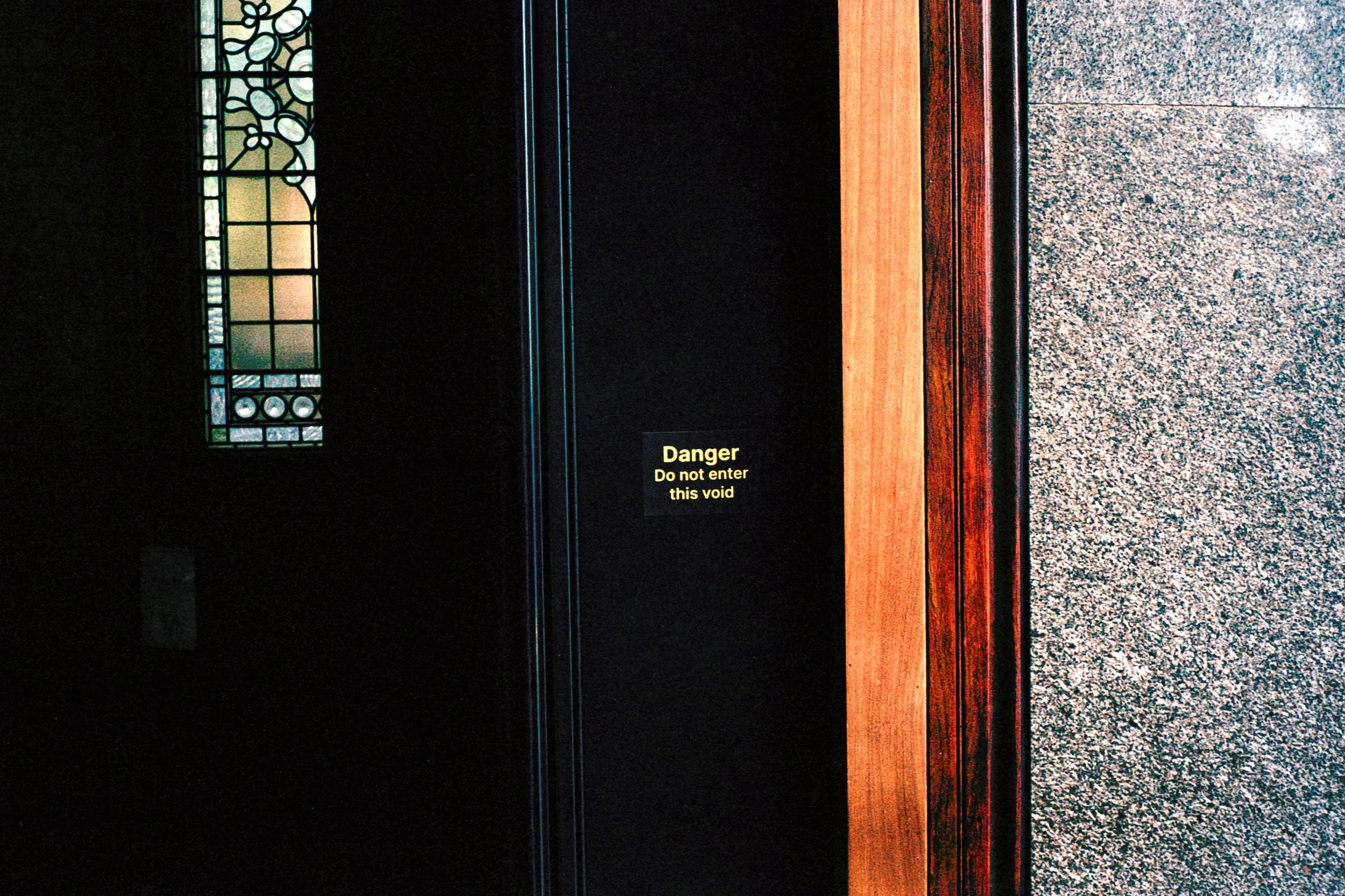
London
2. Chase the light, not the movement
When you aren't hunting for a moving target, you can focus entirely on how light cuts through the landscape. Find a dramatic patch of sun on a wall or a complex shadow, and treat that shape as your actual subject.
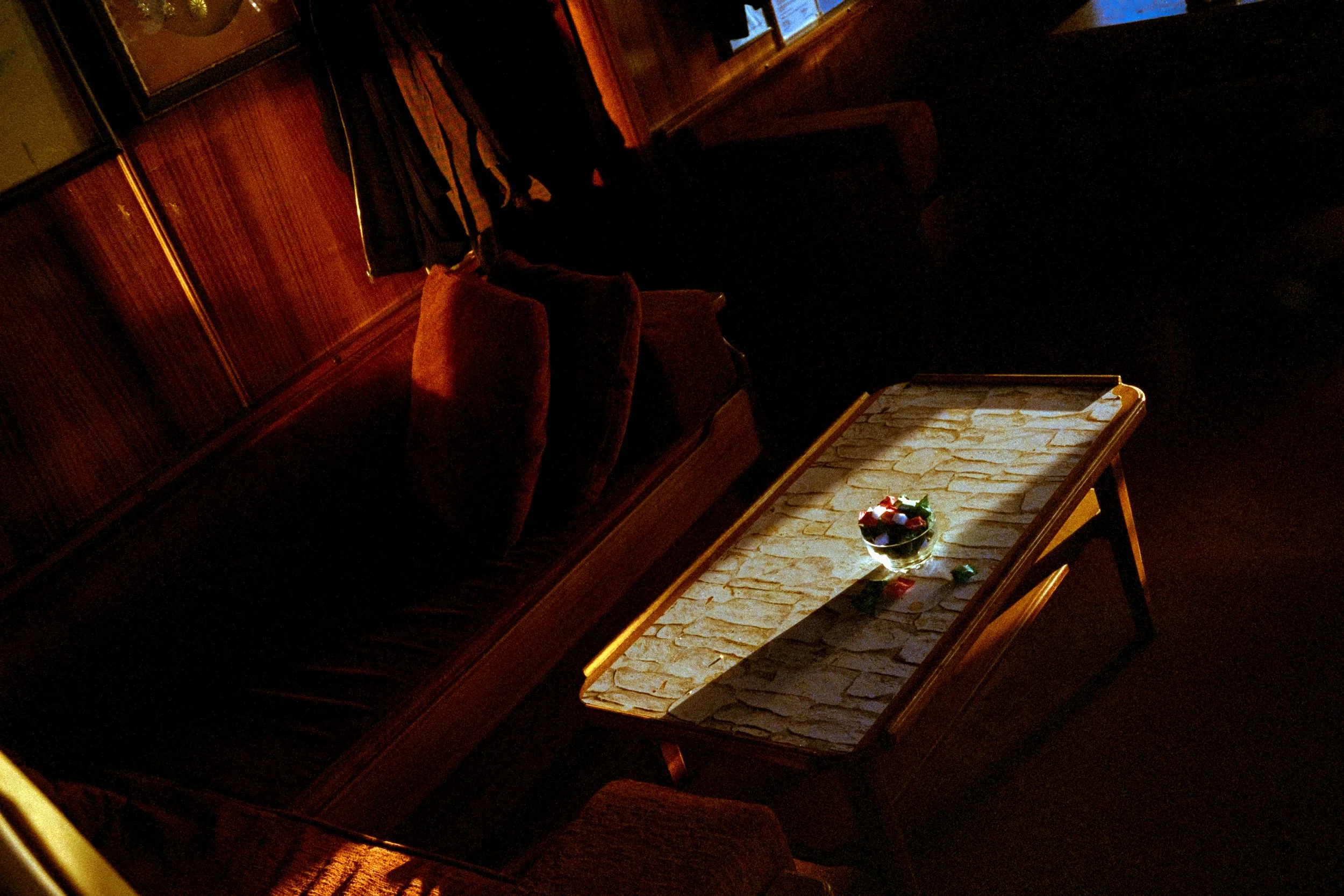
Istanbul
3. Think in projects, not single shots.
An empty street photo can feel a bit lonely on its own, but inside a bigger body of work, it can really flesh out a story and add more context, mood and feeling to longer projects or photo essays. It acts as the connective tissue. It sets the scene, builds the tension, and gives your zine or series room to breathe. It gives context to the photos of people that might come before and after it.
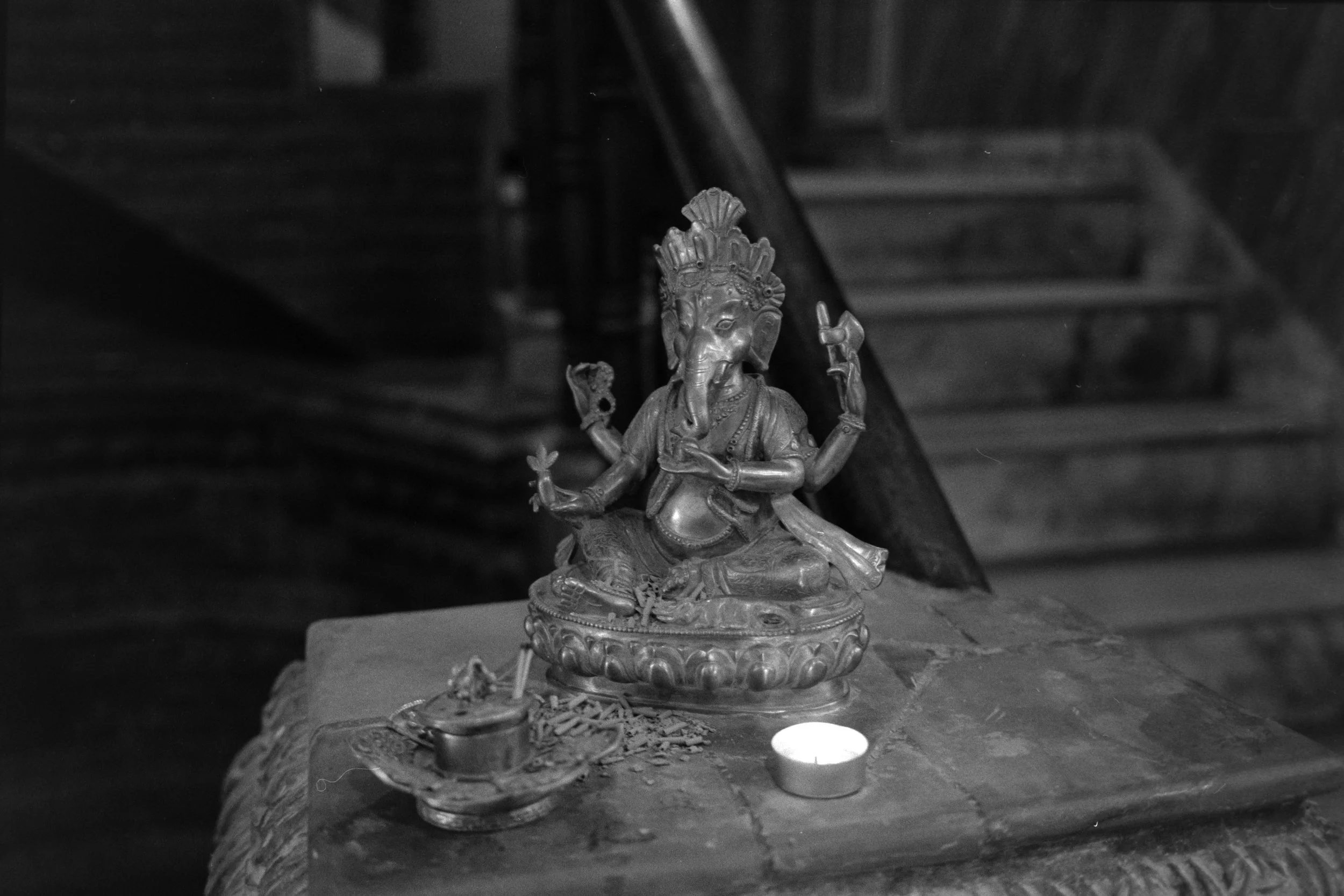
Kathmandu
Give the Street Room to Breathe
You don't always need an actor on the stage to tell a good story about the theater.
The next time you’re out with your camera and the streets feel totally dead, don't pack up your gear and head home. Keep your eyes open for the little, seemingly insignificant spaces and places that might just be moments of magic when you capture them with your camera.
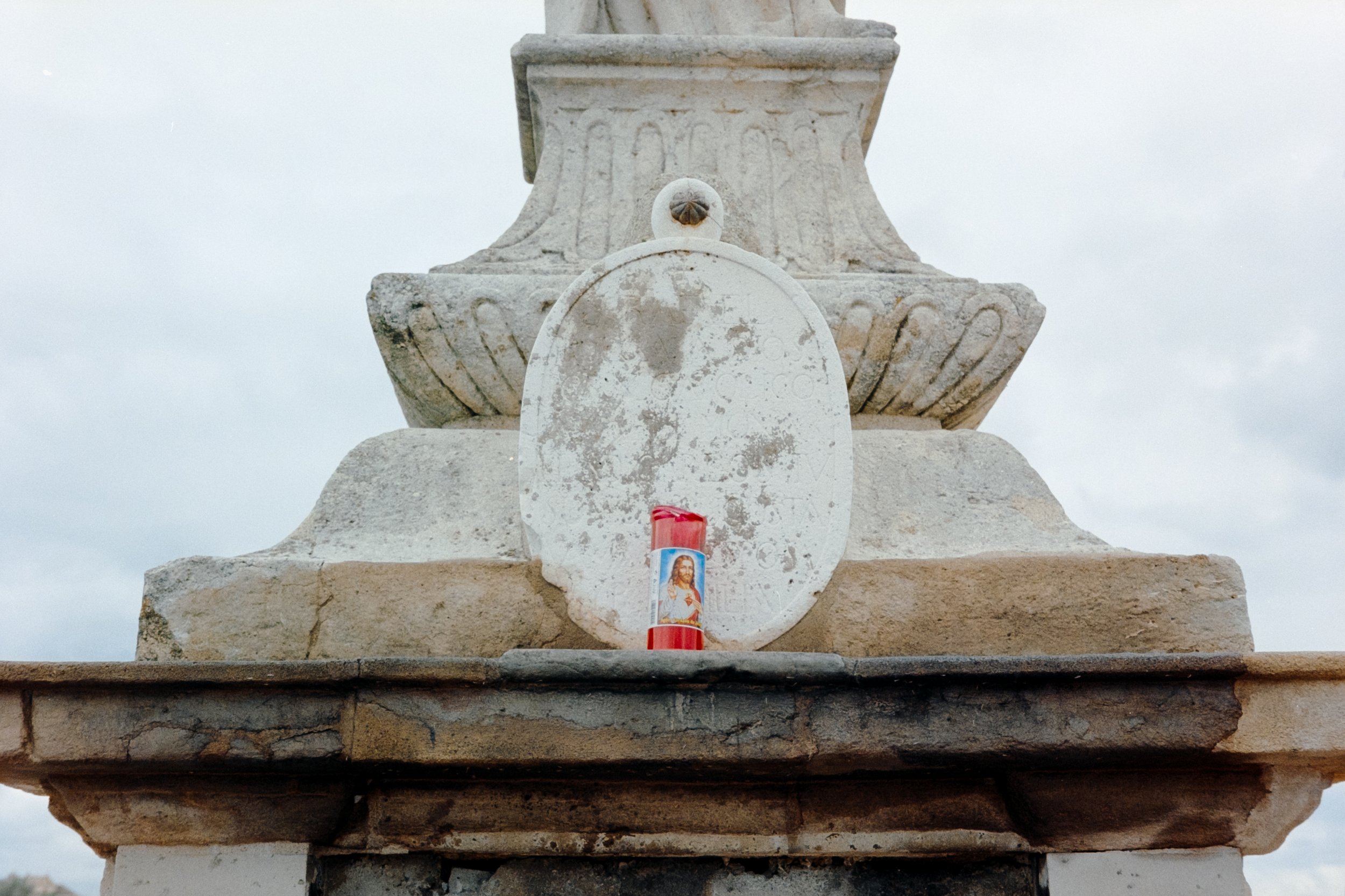
Cordoba